The YouTube AI Slop Epidemic: A 2026 Reality Check
YouTube, the world's largest video platform, is quietly transforming into a digital landfill. According to a recent Kapwing study, 20% of all content fed to new unsigned-in accounts is now AI-generated slop—low-effort, algorithmically produced videos designed solely for monetization. This represents a fundamental shift in the platform's content ecosystem, where human creativity is being systematically displaced by automated content farms.
The scale of the problem is staggering. A Guardian analysis revealed that nearly 10% of YouTube's fastest-growing channels are AI slop operations, generating billions of views collectively. These channels are estimated to earn approximately $117 million annually from ad revenue alone, creating a perverse incentive structure that rewards volume over quality.

The Mechanics of AI Slop Production
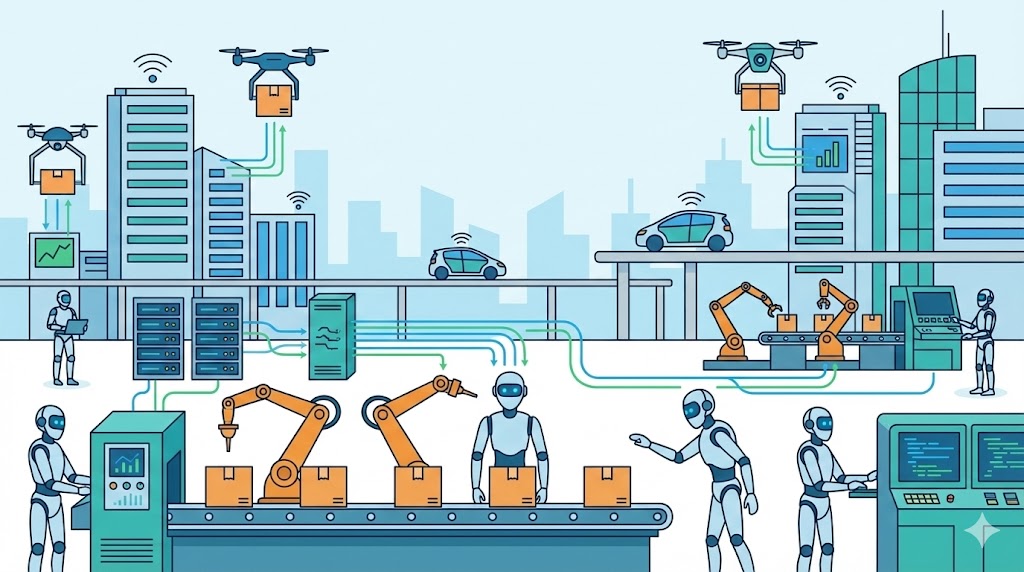
The AI slop pipeline has become disturbingly efficient. Content farms utilize a multi-step automation process:
- Trend Analysis: Scraping popular YouTube niches (kids' songs, history documentaries, true crime)
- Content Scraping: Using tools like NotebookLM to transcribe and summarize successful videos
- AI Script Generation: Feeding transcripts into Claude or GPT for rewritten versions
- Video Generation: Employing platforms like Kling 3.0 or Hugging Face to create photorealistic footage
- Voice Synthesis: Deploying cloned voices (often stolen from legitimate creators)
- Automated Upload: Scheduling 30+ videos daily across multiple channels
Industry Data: AI slop channels from India alone, like 'Bandar Apna Dost' (2.4 billion views), rake in over $4 million yearly through automated content production.
The Financial Incentive Problem
The economics explain everything. A human-made video requires days to months of production. An AI-generated video takes minutes. With YouTube's ad revenue model rewarding watch time, 2-hour AI history documentaries with fabricated facts become gold mines. The platform's algorithm, optimized for engagement, actively promotes this content, creating a self-reinforcing cycle of declining quality.
YouTube's Response: The AI Detection Rollercoaster
YouTube CEO Neal Mohan's position on AI content has evolved dramatically. In early 2025, he told Wired: "Just because content is 75% AI-generated doesn't make it any better or worse than a video that's 5% AI-generated." By May 2026, facing mounting pressure, he announced automatic AI detection labels.
The AI Detection System: A Double-Edged Sword
| Feature | Implementation | Current Effectiveness | User Impact |
|---|---|---|---|
| Auto-Detection Labels | Internal signals flag photorealistic AI | Moderate - 70% accuracy estimated | Viewers informed, no recommendation penalty |
| User Voting System | Community feedback on AI slop levels | Beta stage - Training data for algorithm | Empowers users but prone to abuse |
| Automated Channel Bans | AI judges inauthentic content | Poor - High false positive rate | Innocent creators collateral damage |
| Content Deletion | 4.7 billion views of AI slop removed | Aggressive but inconsistent | Legitimate channels caught in purge |
The False Positive Crisis
YouTube's automated flagging system has become a disaster for legitimate creators. Notable cases include:
- Splash Plate: A cooking channel permanently banned after YouTube's AI confused their original content with stolen reuploads
- Nanny Josh: 3D animation creator terminated for "spam" despite painstaking manual work (5 appeal rejections)
- Korean Stop-Motion Channel: Handmade cooking animations flagged as AI-generated, reinstated only after public outcry
According to community reports on X, hundreds of creators have been wrongfully terminated by YouTube's AI hallucination, with the platform's support system proving largely unresponsive.

The Future: Balancing AI Innovation with Content Integrity
The path forward requires a fundamental rethinking of content verification. Three critical measures are necessary:
- Human-in-the-Loop Appeals: No AI should have unilateral termination authority. Every ban must be reviewed by a human moderator
- Transparent Labeling: AI detection labels must be mandatory, with clear penalties for non-disclosure
- Algorithmic Neutrality: YouTube must stop rewarding engagement over authenticity in its recommendation system
Key Insight: The technology itself isn't the enemy. As demonstrated by filmmaker Simon Mayer's AI-assisted short film, generative AI can enhance human creativity when used as a tool rather than a replacement.
📅 Information as of: June 2026
📚 Recommended Reading
- Inside Huawei's Biometrics Lab: How the GT6 Pro & Watch Ultimate 2 Redefine Fitness Tracking
- 9-inch Wireless CarPlay for Under $50? Top 6 Best Car Gadgets on Temu Reviewed 🚗