Part 1: The Lost History of a Digital Pioneer
Before Pixar’s Toy Story, there was ReBoot. In 1994, a small Canadian studio named Mainframe Entertainment released the world’s first fully computer-animated TV series. Despite its groundbreaking 3D graphics and compelling storylines, the show was nearly lost to history. Poor media preservation and the sheer obscurity of its original format—the Sony D1 tape—meant that for decades, the best available copies were pirated Russian DVDs. This article explores the monumental technical effort to rescue the original master tapes and restore ReBoot to its former glory.
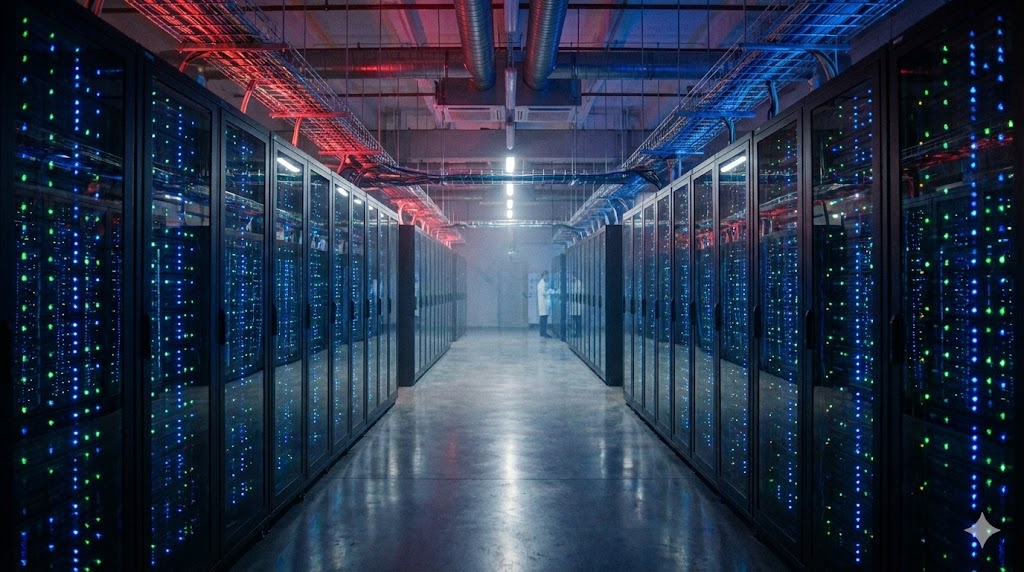
Part 2: The Beast of 80s Tech – The Sony D1 Deck
What is a Sony D1 Tape?
Introduced in 1986, the Sony D1 was the absolute pinnacle of professional video recording. Unlike consumer formats, it stored video as completely uncompressed digital data—no codecs, just raw bitmaps written directly to magnetic tape. A single 30-year-old tape holds approximately 40 GB of raw video.
The 250lb Monster
To read these tapes, you need a deck that is a marvel of over-engineering:
- Weight: 250 lbs (113 kg)
- Power Draw: 650 Watts
- Processors: 6-7 Intel 80186 CPUs communicating over an internal Ethernet network
- Cost (new, adjusted for inflation): Approximately $330,000 USD
Only about 100 people were ever qualified to service these machines. Today, finding one in working order is a miracle.
Part 3: The Restoration Workflow – From Decaying Tape to Digital File
The Challenge: Sticky Shed Syndrome
The biggest enemy of this project was time. The magnetic particles on the tapes are held by a glue that is literally turning into gunk—a condition known as sticky shed syndrome. The team had only one shot at a good transfer.
The Capture Process
Transferring footage requires a precise, real-time workflow:
| Component | Specification | Role || :--- | :--- | :--- || Source | Sony D1 Master Tape | Holds 40 GB of uncompressed video || Playback Deck | Sony D1 (250 lbs) | Reads the raw digital signal || Capture Software | Custom by Brian | Manages decks, tracks errors, controls capture || Storage | Kioxia CM7-R SSD | Handles 40 GB+ per tape without bottlenecks |
Performance Data
Using traditional spinning hard drives, the team achieved only 7 FPS during conversion. With Kioxia’s high-performance SSDs, they reached 25-35 FPS, effectively enabling real-time playback and editing. This saved hundreds of hours of rendering time across 260 tapes.
 Part 4: A Legacy Preserved
After months of work, the final episode tape was successfully captured. The project, supported by Kioxia, has not only saved 47 episodes but also bonus content like cutscenes from the PS1 game. This effort proves that with the right technology and community support, even the most obscure digital history can be brought back to life.
📅 정보 기준일: 2024-05-24
Read More: Explore how modern hardware can revive classic tech in our guide on AI 노트북 성능 비교 가이드.