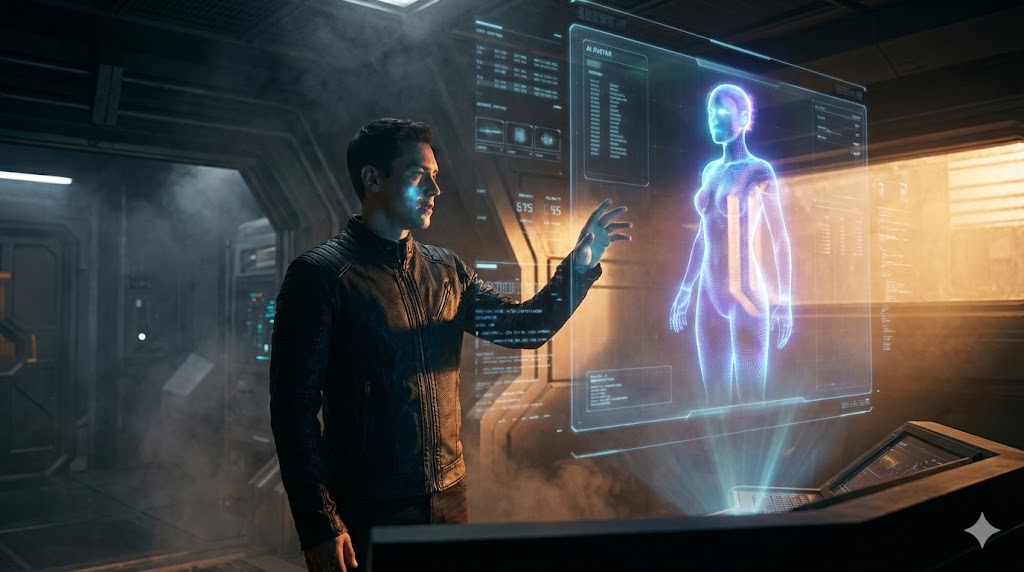
Have you seen the viral video of a car driving straight through a solid wall? It looks like magic, but it's a clever optical illusion. Our brains don't just see what's in front of us; they interpret it based on angles, context, and past experiences. This article explores how these illusions work and why your brain is so easily tricked, featuring a fascinating phantom skull experiment.

The Secret of the Magic Car
The trick isn't magic; it's perspective. A hole is cleverly painted on a wall to match the background, creating a seamless illusion when viewed from a specific angle. This is similar to drawing a 3D image on a 2D surface; when viewed from the right spot, it pops out.
The Phantom Skull Experiment
This experiment uses a half-silvered mirror and a skull model to create a powerful illusion. When a participant touches the skull while seeing it superimposed on their own face, their brain can be tricked into feeling sensations in their own skull. According to studies, about 77% of people experience this phantom sensation, which is a great demonstration of how our brain integrates visual and tactile information. For more insights into how tech can enhance such experiments, check out this AI notebook performance comparison guide.
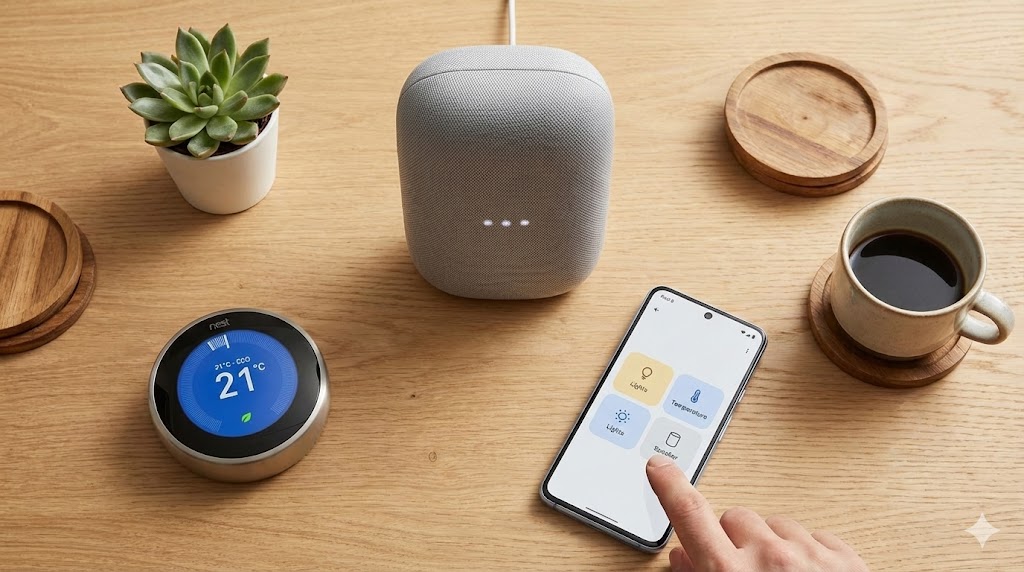
Building Your Own Illusion with IR Sensors
The creators of this experiment used an IR sensor to control the lighting of the skull, syncing it with the participant's face. This is a great example of a DIY tech project. They ordered a custom PCB from JLC PCB to make the circuit, which is a cost-effective way to build custom electronics.
| Component | Purpose | Example Model | Estimated Cost (USD) | User Rating (5.0) |
|---|---|---|---|---|
| IR Sensor Module | Detects proximity or presence | HC-SR501 | $2.50 | 4.5 |
| Microcontroller | Controls the sensor and LED | Arduino Nano | $15.00 | 4.8 |
| Custom PCB | Connects all components neatly | JLC PCB Prototype | $10.00 | 4.7 |
| Half-Silvered Mirror | Creates the visual illusion | Acrylic Mirror Sheet | $8.00 | 4.2 |
This setup allows for a clean and functional build. The data from the sensor can be used to trigger the light, making the illusion more dynamic and effective. You can find more detailed tech reviews and guides on our site, such as this iPhone 17 review.
 Optical illusions are more than just fun tricks; they are a window into how our brains construct our reality. By understanding these principles, we can appreciate the complex processes happening behind the scenes. Whether you're a science enthusiast or a tech hobbyist, building your own experiments with simple tools like IR sensors is a fantastic way to learn. Remember, your brain is not a camera; it's an active interpreter of the world.