🧠 Beyond the Hype: The Real AI Stories of the Week
While the tech world was fixated on the dazzling displays at CES 2026 in Las Vegas, a wave of equally significant announcements rippled through the AI landscape. From OpenAI's venture into personal healthcare to a dramatic leadership change at Meta, these developments are set to redefine how we interact with technology. This report distills the most critical news that emerged outside the convention floor, providing a clear, data-driven overview for global readers. We analyze the strategic moves of major players, the implications for users, and the underlying market shifts, all while maintaining a strictly objective perspective.
🏥 ChatGPT Health: Your New AI Doctor?
Connecting the Dots of Your Health Data
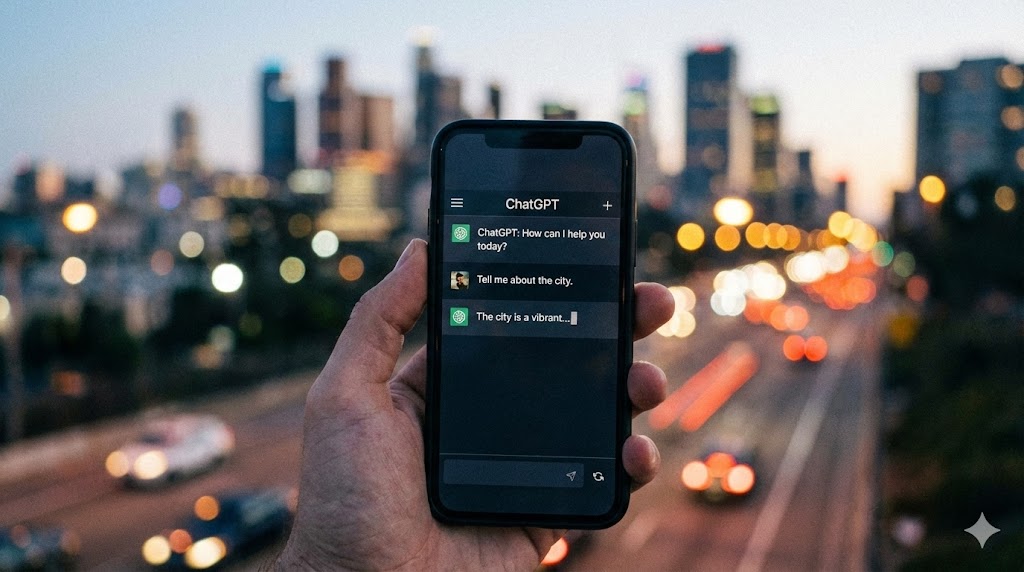
OpenAI has introduced ChatGPT Health, a new feature designed to centralize and analyze personal medical information. According to the official announcement, users can now securely connect records from sources like Apple Health, Function, and MyFitnessPal. The AI then assists in interpreting test results, preparing for doctor visits, and offering dietary or insurance advice. This feature is currently in a closed beta, accessible only via a waitlist.
Privacy and Data Architecture
The system architecture places health-related conversations in a separate, isolated section within ChatGPT. This design choice aims to address privacy concerns, a critical point given the sensitivity of medical data. However, the long-term data handling policies and potential integration with third-party insurers remain a topic of intense debate within online communities like Reddit, where users have expressed both excitement and apprehension about data security. For a deeper dive into how digital signatures have shaped our world, check out this analysis: The Signature That Changed America.
⚙️ The Hardware & Software Shake-Up: Nvidia, Lenovo, and Meta
Nvidia's AI Factory Blueprint
Nvidia CEO Jensen Huang unveiled the 'Rubin' platform, the company's first co-designed 6-chip AI architecture, now in full production. The system features Rubin GPUs with 50 petaflops of FP4 inference and Vera CPUs engineered for data movement. This is part of a broader strategy to build 'AI factories,' a rebranding of traditional data centers to meet the surging demand for AI compute power. The company is racing to scale production to match the exponential adoption rates of generative AI.
Lenovo's Locked-In Ecosystem: Kira
Lenovo announced 'Kira,' a modular AI platform designed to work seamlessly across its devices, including Motorola phones and Lenovo laptops. Unlike competitors, Kira is not tied to a single AI model. Instead, it dynamically selects the best model from providers like OpenAI and Microsoft, accessed via Azure. The core strategy is to create a sticky ecosystem, similar to Apple's, where the AI assistant's memory and tasks sync across devices. The primary limitation is that it requires exclusive use of Lenovo and Motorola hardware.
Meta's Internal Turmoil: The LeCun Departure
A significant internal conflict at Meta has come to light. Yann LeCun, a Turing Award winner and former chief AI scientist at Meta, left the company following a restructuring that placed Scale AI CEO Alexandr Wang as his superior. In subsequent interviews with the Financial Times, LeCun criticized Wang as 'inexperienced' and claimed that the AI team 'fudged' some results of the Llama 4 model, leading to a loss of confidence from Mark Zuckerberg. This drama highlights the intense competition and high stakes within the AI talent market.
| Company | Key Announcement | Core Strategy | Market Impact (Est.) |
|---|---|---|---|
| Nvidia | Rubin GPU & Vera CPU | Scaling AI Factory Compute | High (Infrastructure) |
| Lenovo | Kira Modular AI Platform | Ecosystem Lock-in (Hardware+AI) | Medium (Consumer) |
| Meta | LeCun Departure & Llama 4 Issues | Internal Restructuring | Medium (Talent & Trust) |
For a practical guide on integrating new tech into your daily life, see our article on DIY Car Tablet Installation.

🎯 Key Takeaways & Future Outlook
The most significant AI news this week revolves around three core themes: the personalization of AI (ChatGPT Health), the battle for hardware ecosystems (Lenovo Kira), and the fragility of talent retention in top tech firms (Meta). The integration of Gemini into Gmail further signals that AI will become an invisible, ambient layer in existing software. Users should expect a future where AI is not just a tool but a persistent, context-aware assistant embedded in everything from email to healthcare.
📅 Information Date: 2024-05-24