The DJI Avata 360 is not just another drone; it's a paradigm shift in aerial cinematography. For years, capturing immersive, reframable footage required complex post-production stitching or sacrificing image quality. This review analyzes how the Avata 360 solves this problem with its innovative rotating camera module, offering both 360-degree capture and a high-quality single-lens mode, making it a versatile tool for creators.

Key Features and Design Innovation
The Rotating Camera Module
The core of the Avata 360 is its unique camera design. Unlike traditional drones with a fixed gimbal, the Avata 360 features a module with two 180-degree fisheye lenses. On the ground, the module faces forward, protecting the lenses. Upon takeoff, it rotates 90 degrees to capture a full 360-degree spherical view. This eliminates the need for landing gear and allows for a seamless transition between 360 and standard shooting modes.
Dual-Mode Versatility
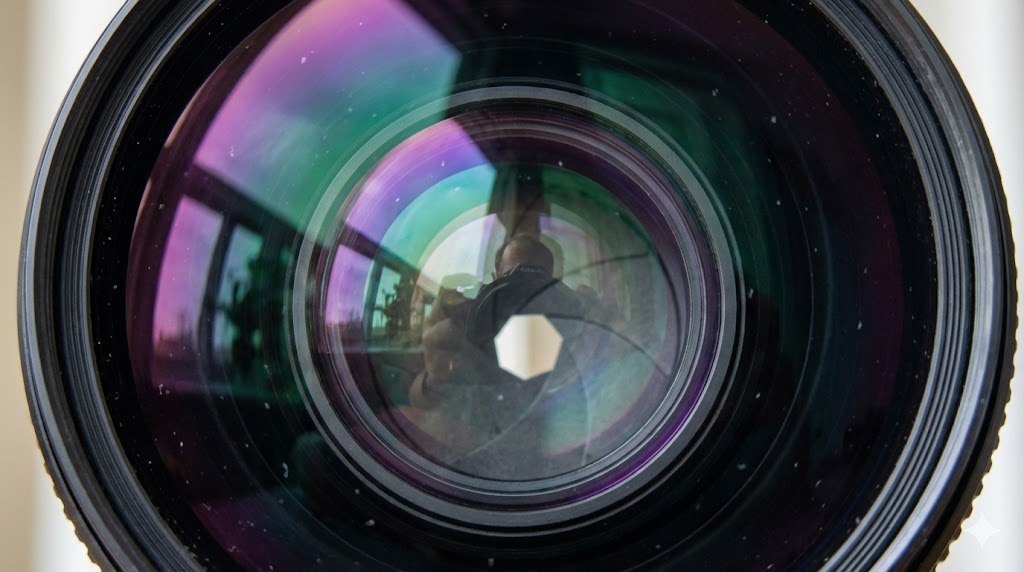
In single-lens mode, the camera utilizes the full 1/1.1-inch sensor, capturing stunning 4K 60fps HDR video with a 100-degree FOV. This provides a significant quality advantage over traditional 360 drones that split the sensor between two lenses. This dual-mode capability means the Avata 360 can function as a high-quality standard drone and a creative 360 camera in one package.
Performance, Image Quality, and Flight Experience
Image Quality and Dynamic Range
The 1/1.1-inch sensor, combined with an f/1.9 aperture and D-Log M color profile, delivers impressive dynamic range. Data indicates the drone effectively handles high-contrast scenes like sunsets, preserving highlight detail and shadow information with minimal noise. This makes it a reliable tool for professional-grade content.
Flight and Control Systems
The Avata 360 is compatible with DJI's reliable RC 2 controller, offering a familiar experience for existing DJI pilots. The 360-degree capture means pilots can focus purely on flight path, not camera angles, significantly reducing the learning curve. For enhanced safety, it features omnidirectional obstacle sensing, a forward-facing LiDAR sensor for dark environments, and integrated propeller guards.
Comparison Table: Avata 360 vs. Traditional FPV Drones
| Feature | DJI Avata 360 | Traditional FPV Drone (e.g., DJI Mavic) |
|---|---|---|
| Camera Type | Rotating 360° Module | Fixed Gimbal Camera |
| Max Video Resolution | 8K 60fps (360° Mode) | 4K/5.1K 60fps |
| In-Flight Reframing | Yes (Post-Processing) | No (In-Flight) |
| Obstacle Avoidance | Omnidirectional + LiDAR | Omnidirectional |
| Propeller Guards | Integrated | Not Standard |
| Ideal Use Case | Creative, Reframable Content | Stable, Traditional Aerial Shots |
Spotlight Free Mode and Tracking
A standout feature is Spotlight Free mode, which decouples aircraft movement from camera direction. This allows the camera to automatically track a subject while the pilot maneuvers freely, simplifying complex tracking shots. This is a significant advantage for solo creators capturing dynamic scenes like biking or hiking.
 The DJI Avata 360 is a specialized tool that excels at creative, immersive content creation. While it may not replace a traditional drone for all scenarios, its unique ability to capture a full sphere of footage and reframe in post-production is a game-changer for solo creators and those looking to push creative boundaries. The image quality, while slightly compromised in 360 mode, is excellent for the format, and the safety features make it accessible for beginners.
📅 Information accurate as of: {{date}}